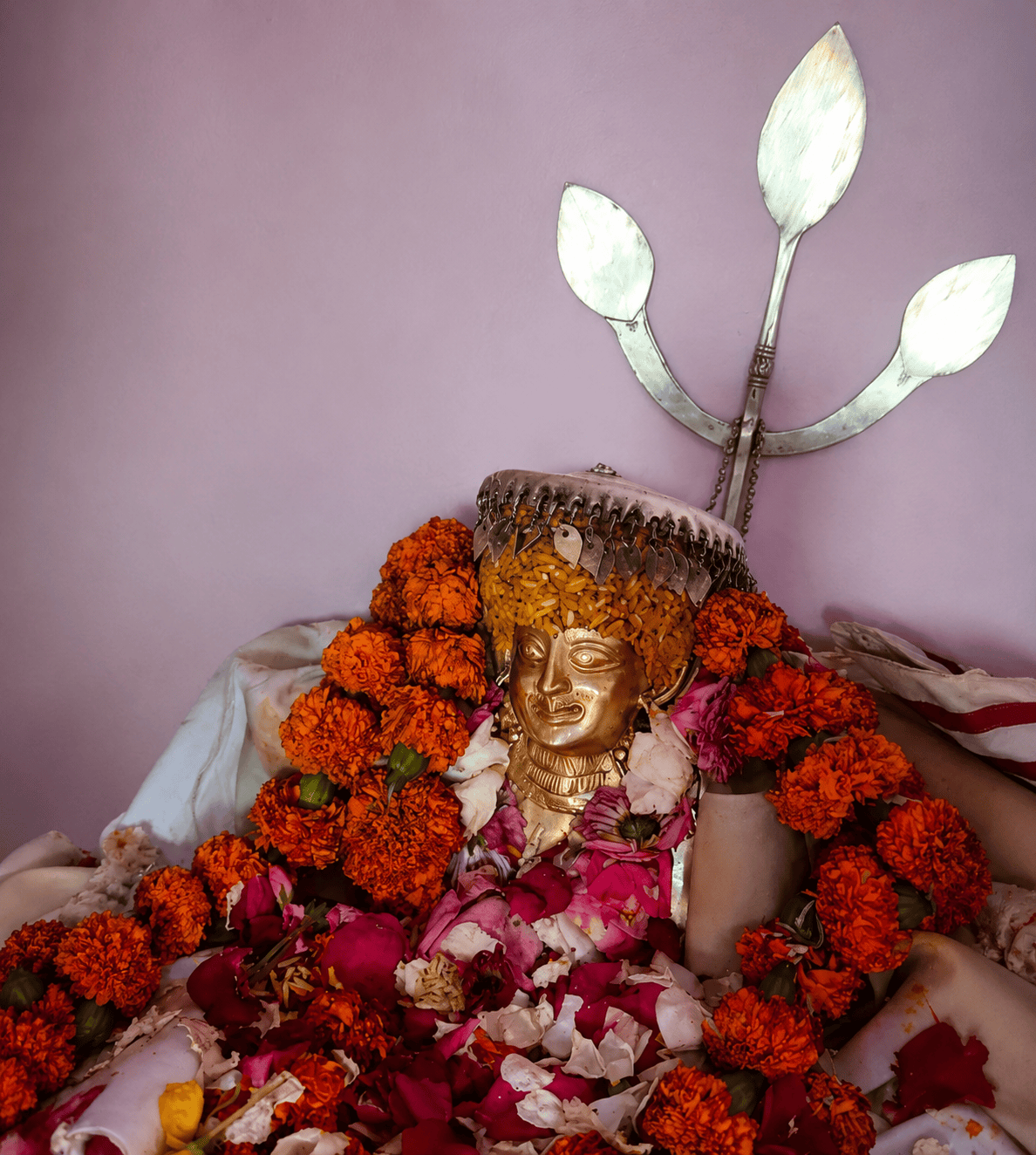
Documented in Dr. Manoj Sharma, Sirmaur Janpad ke Lok Devta Bhurishring/Bhureshwar Mahadev (Nandi Prakashan, 2023), priestly practice at Pujarli, and photographs from the Bhureshwar Mahadev archive.

Ashvin Shukla Ashtami

Dev Snan after Diwali

Dev Snan marks the transition from Diwali festivities into the deeper festival cycle that culminates in Dev Utsav. At Pujasthali in Pujarli the senior priestly family brings the deity out for the bathing vidhi. Kardars and elders gather with vessels, cloth, and the ritual order that has been followed for generations.

Photographs in Dr. Manoj Sharma’s volume show Pt. Keshavanand Sharma and family performing this rite—water poured with mantra, the deity honoured before the community. The bath is not symbolic alone; it prepares the devta for the intensified possession rituals of Gyas and the winter journey toward Kwagdhar.

For devotees, Dev Snan is a moment when the boundary between household and shrine softens: the deity who winters at the priest’s home is washed and dressed as a living presence, not a distant mountain idol. The rite anchors the Polia parampara as the visible centre of Sirmaur’s devta culture.
Dev Snan after Diwali
Daily · Kwagdhar & Pujarli

Daily dhup-deep & puja-path

Bhureshwar’s kar is built on daily continuity. Dhup-deep—lighting incense and lamps—and puja-path with traditional mantras are performed according to the devaling vidhan whether the deity is on the mountain or in the priest’s home.

Historical accounts in the book explain that when heavy snowfall blocked the Kwagdhar approach for long months, the Muafidar line brought the devta to Pujarli on the condition that worship at the hill shrine would not be abandoned. That dual-seat arrangement—winter seva in the village, summer on the heights—still shapes how families plan festivals and how the ₹12 muafi grant was understood: maintenance of dhoop-deep and murammat.

For visitors, the quiet daily round is easy to overlook beside Dev Utsav, yet elders insist it is the spine of the tradition. Without uninterrupted lamps and prayer, the louder festivals would have no foundation. The Muafidar’s household remains the clock by which Pachhad’s kul devta keeps time.

Daily dhup-deep & puja-path
Muafidar · Polia parampara

Devaling vidhan & priestly continuity

Bhureshwar’s daily and seasonal worship flows through the hereditary Muafidar priesthood at Pujarli—documented in sanads, bahi, and the living appointments described in Dr. Manoj Sharma’s 2023 volume.

The devaling vidhan governs how lamps are lit, how mantras are recited, and how the deity moves between hill shrine and priestly home when snow closes the pass. Village khels support this core—but their festival offices are described on the Dev Yatra, Khel & Parv page.

Understanding the priestly seat is essential before the public drama of parv: without uninterrupted kar at Pujasthali, the milk path and midnight leap would have no foundation.

Devaling vidhan & priestly continuity

Location

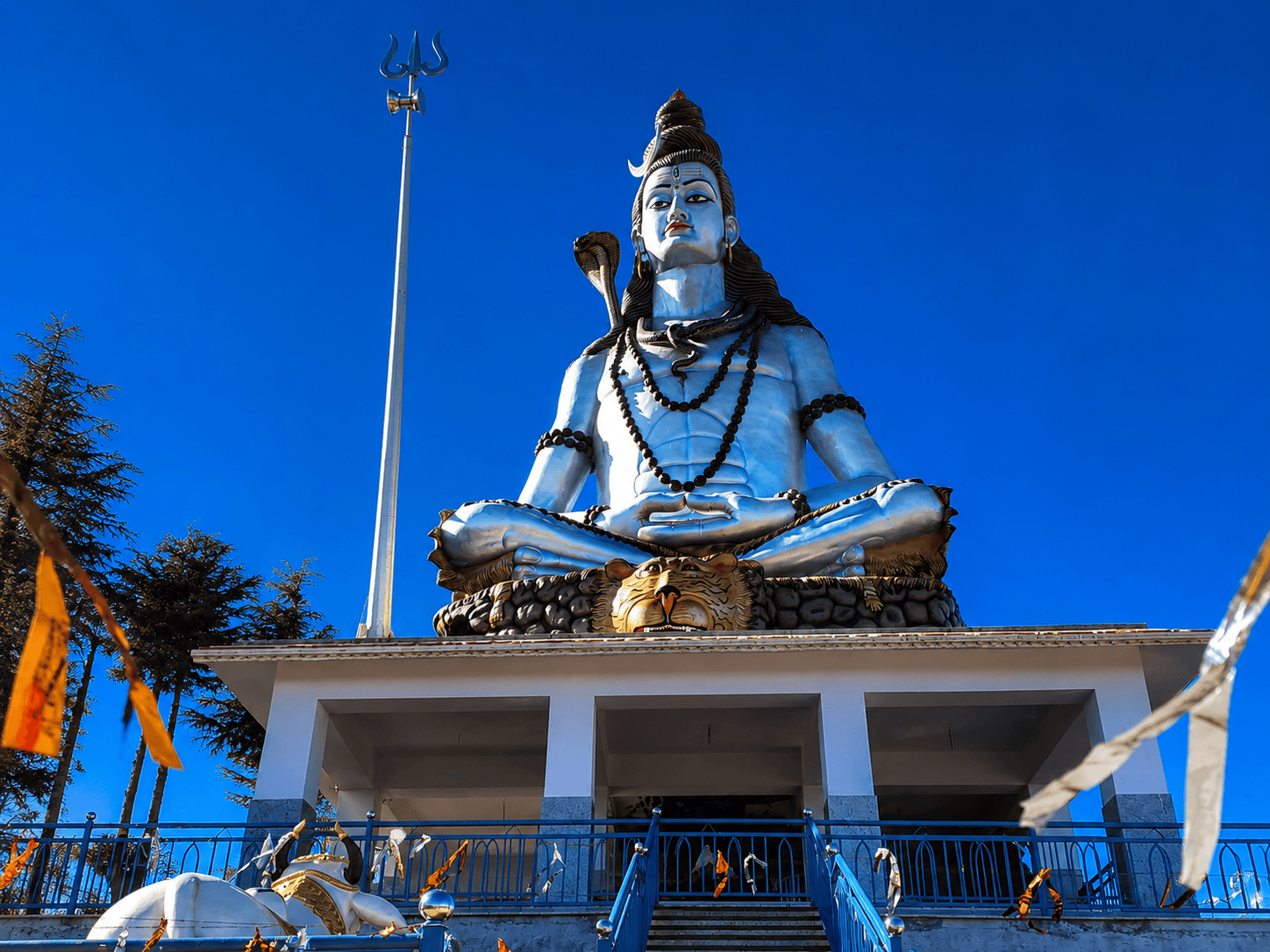
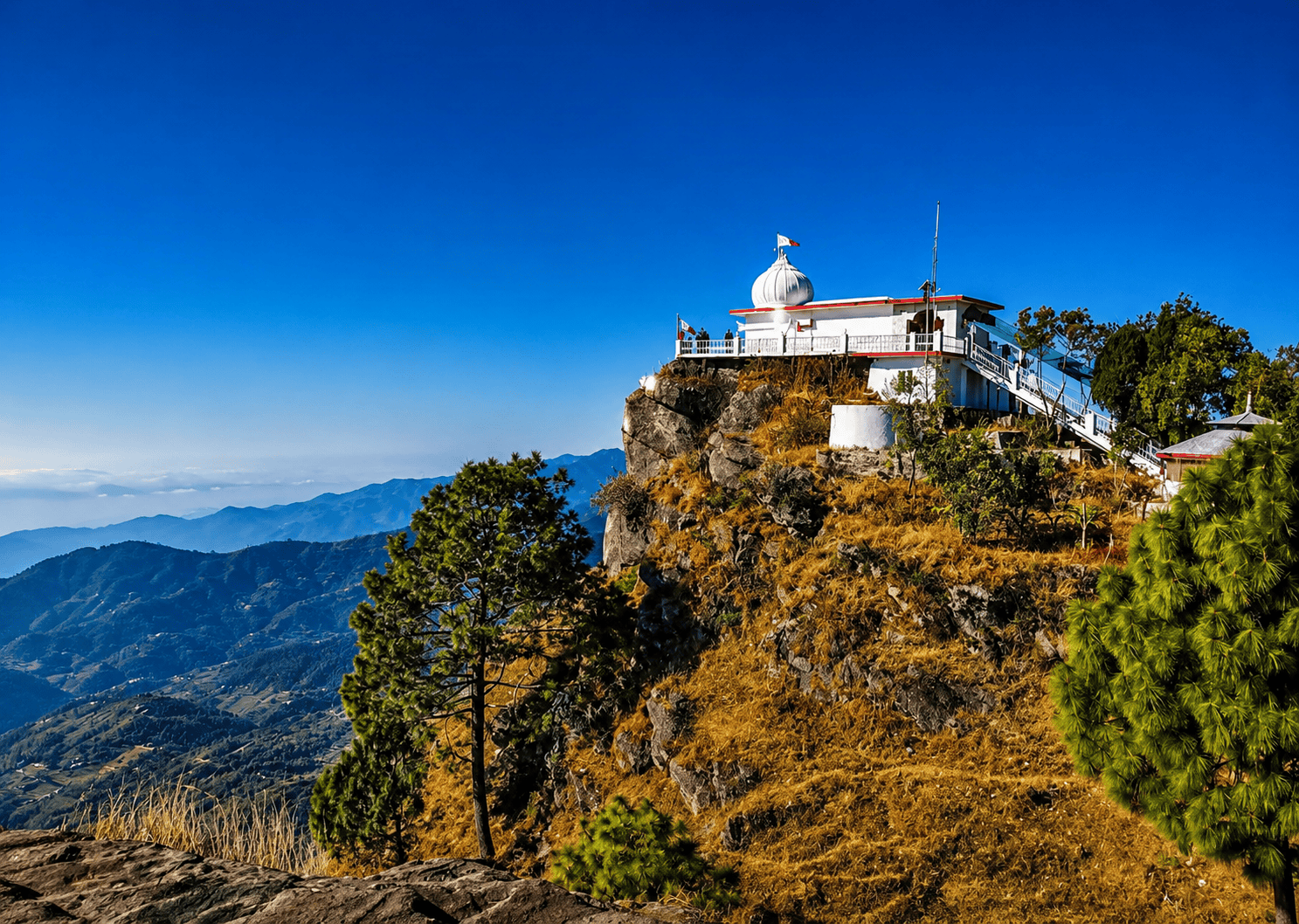
Bhureshwar Mahadev Temple, Kwagdhar, Sirmaur, H.P.

Temple Timings

Temple Open at Sunrise till Sunset

Photography

Photography allowed in designated areas only.

Visitor Guidelines

Please maintain silence and respect the sanctity of the place.